The best toys by age: a guide for ages 1 to 8
Searching for "toys for a 2-year-old" or "toys for a 5-year-old" returns thousands of results and very little guidance. This guide works the other way round. For each age, it starts with what children are learning to do, then suggests the kind of toy that helps.
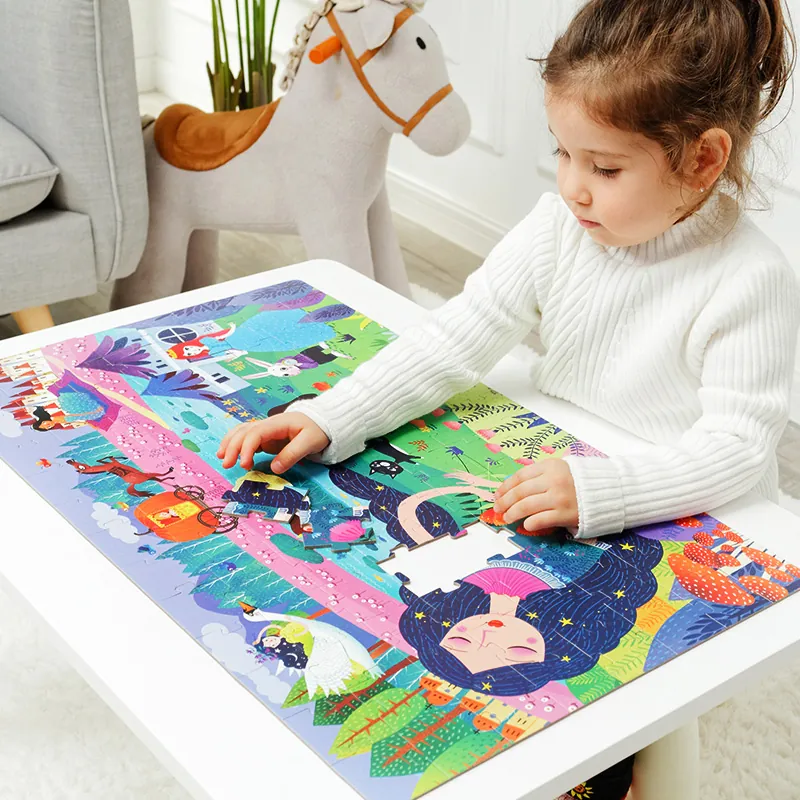
First, how to read an age grade
The age on a toy box is mainly about safety. A "3+" toy may contain small parts that are a choking risk for younger children, so treat it as a firm minimum for babies and toddlers. Above the minimum, the age is a guide to difficulty, and your own child's interests matter more. Reputable toys are tested to safety standards such as EN 71, the European toy safety series that Gulf standards are based on.
Ages 1 to 2: senses and first skills
At this age children are learning cause and effect, grasping, pushing and pulling, and their first words. Toys should be sturdy, simple and safe to mouth.
- Push-along and musical toys reward movement with sound.
- Wooden climbers and soft balls build balance and gross motor skills.
- Chunky first puzzles with two or three pieces teach matching.
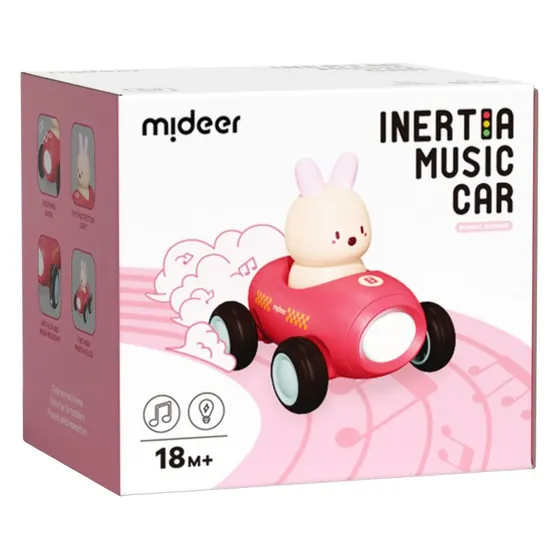 Musical Car, Bonnie BunnyLights and music that reward pushingAges 18m+ · MD6296
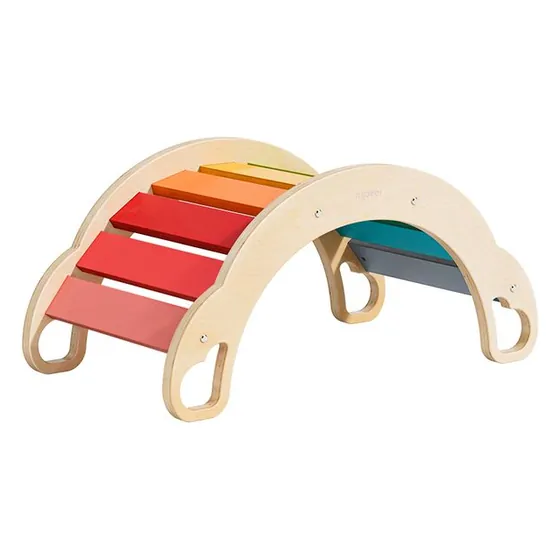 Rainbow Wooden ClimberClimb, rock and balance indoorsMD1517
Ages 2 to 3: language and fine motor control
Two-year-olds want to do things themselves. They are refining their grip, sorting by shape and colour, and starting pretend play. This is the age where puzzles really take off.
- Level 1 and 2 puzzles with large pieces and several puzzles per box.
- Letter and number magnets for the fridge, so learning happens during everyday routines.
- Role-play sets, such as a pretend kitchen or BBQ, for imitation and vocabulary.
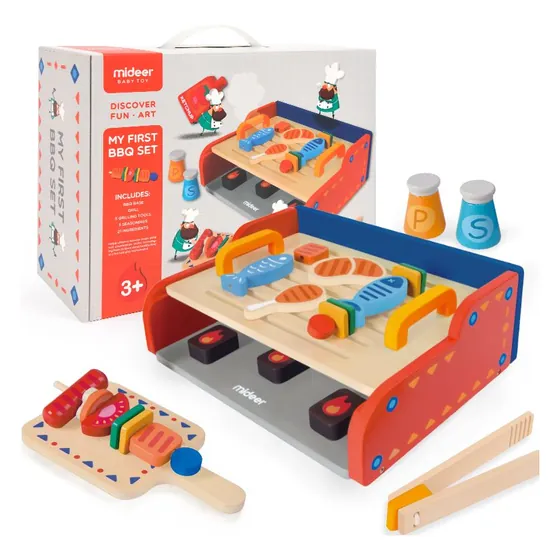 My First BBQ SetWooden role-play setAges 2+ · MD1079
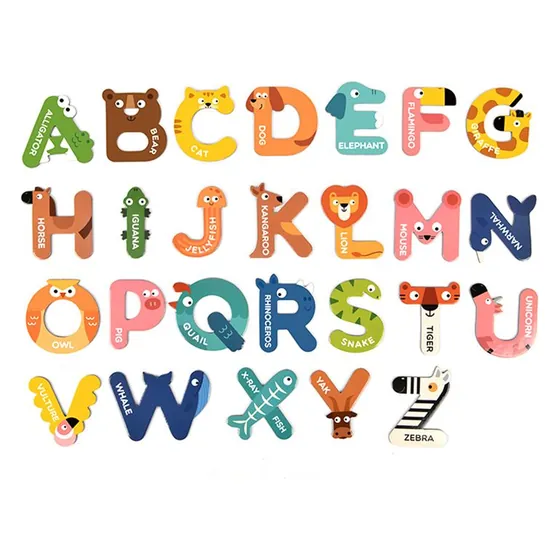 Alphabet MagnetsLetter play during everyday routinesAges 2+ · CT4259
Ages 3 to 4: imagination and patience
Three-year-olds can follow a simple goal, take turns and stick with a task for longer. Magnetic tiles, more complex puzzles and first board games all become possible.
- Magnetic tiles for free building. A 40-piece set is a good start.
- Picture sudoku and simple board games that teach rules and turn-taking.
- Dress-up and sticker kits for storytelling.
- Kaleidoscopes and story torches for quiet moments.
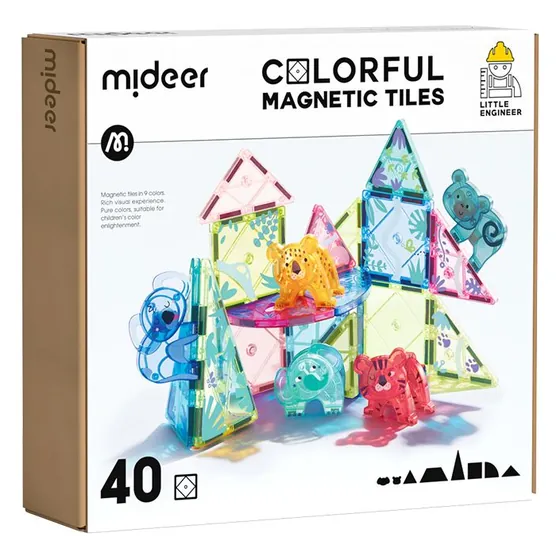 Colorful Magnetic Tiles, 40 pcsLarge 75 mm tiles with rounded edgesAges 3+ · CT6399
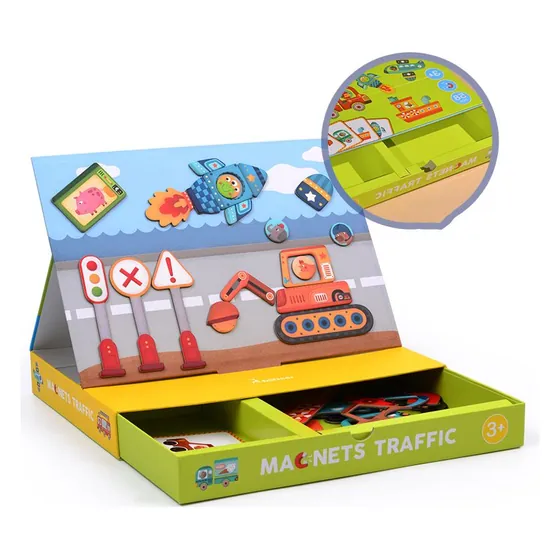 Traffic Magnetic GameA travel-friendly magnetic play setAges 2+ · MD1040
Ages 5 to 6: rules, strategy and making things
At five and six, children enjoy games with real rules, crafts with a finished result and puzzles of 100 pieces or more. They also start to compare themselves with others, so toys with levels give a satisfying sense of progress.
- Strategy and family board games that adults enjoy playing too.
- Paper craft and origami kits with graded difficulty.
- Floor puzzles of 100 to 150 pieces.
- Insect and nature kits that send them outside to explore.
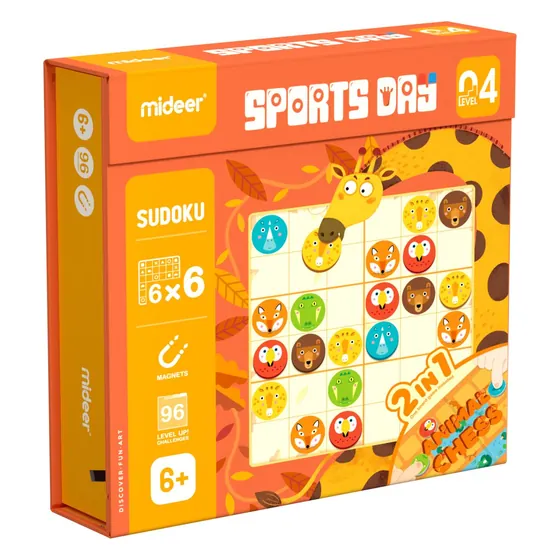 Sports Day SudokuA step up from first picture sudokuAges 6+ · MD2121
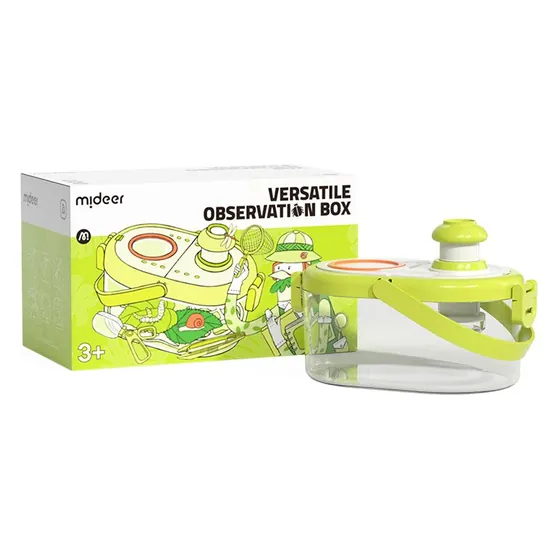 Insect Observation KitCollect, look closely and releaseAges 3+ · MD0151
Ages 7 to 8: real challenge and independence
By seven and eight, children can follow instructions alone and want projects that take more than one sitting. This is the age for science kits, engineering sets and puzzles that sit on the table for a weekend.
- Microscope and electrical kits for genuine experiments.
- Construction sets with instructions to follow, then free building after.
- Large puzzles such as a world map, which also teach geography.
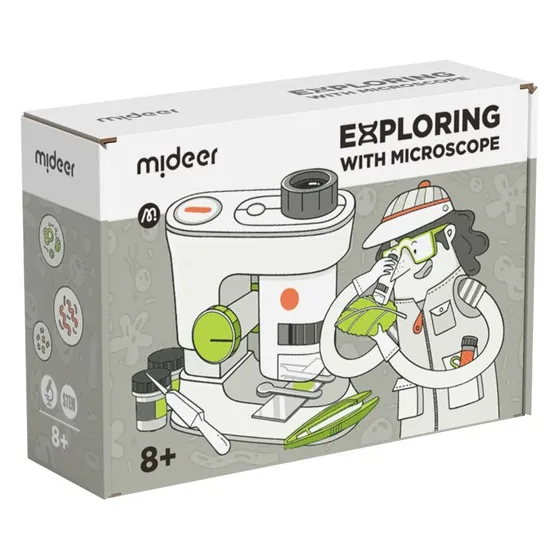 My First Microscope SetA real microscope with prepared slidesAges 8+ · MD2227
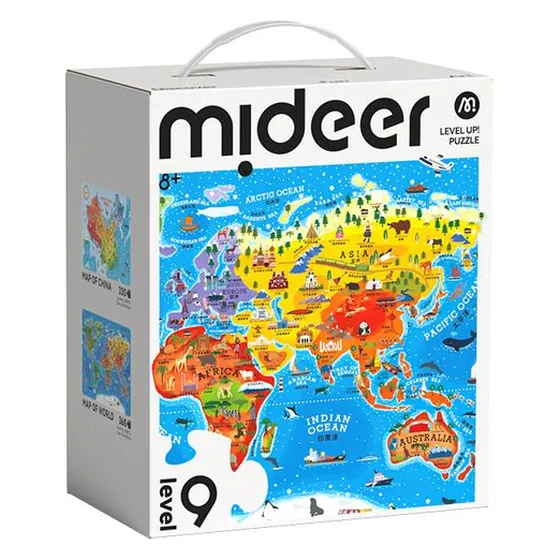 Level Up! World Map, Level 9Two-in-one world map puzzleAges 8+ · MD1519
Toys that help with school readiness
Many UAE parents start thinking about school readiness at three or four, especially before FS1 or KG1 assessments. You do not need workbooks for this. Everyday play already builds the key skills:
- Pencil grip: crayons, finger paints and sticker sets strengthen the small muscles in the hand.
- Following instructions: simple board games with rules, and building from a picture card.
- Concentration: puzzles and sudoku that take ten to fifteen minutes.
- Early maths: counting tiles, sorting by colour, number magnets.
- Language: role play, storytelling with dress-up kits and talking about puzzle pictures.
One toy, many ages
If you are buying for siblings, look for open-ended toys that work across ages: magnetic tiles, wooden blocks, art supplies and balls. A toddler and an eight-year-old will use the same set in completely different ways, and that is the point.
Common questions
What toys are good for a 2-year-old in the UAE?
Sturdy first puzzles, role-play sets, letter magnets, push-along and musical toys are all good at two. Check that the box says 18 months or 2+, because toys marked 3+ may contain small parts.
What should I buy a 5-year-old?
Five-year-olds enjoy games with rules, puzzles of around 100 pieces, craft kits with a finished result and anything with levels to work through.
Is the age on a toy a safety rule or a guide?
Both. For under-threes, treat the minimum age as a safety rule because of small parts. For older children it mainly indicates difficulty.
Looking for these toys? mideer is sold online across the UAE and GCC.
Where to buyKeep reading
 Product guide
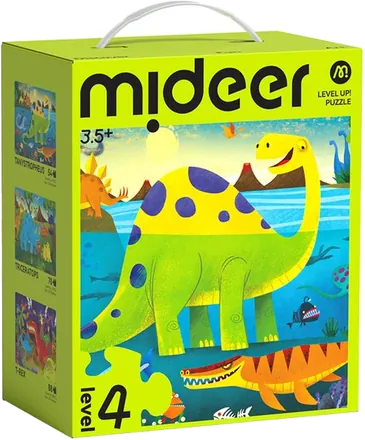
Which Level Up! puzzle is right for your child?
mideer's Level Up! puzzles run from Level 1 for 2-year-olds to Level 9 for ages 8 and up. Here is what changes at each level and how to choose.
6 min read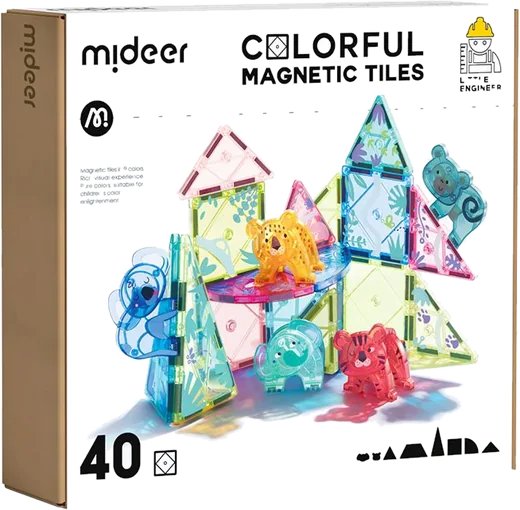 Buying guide
Magnetic tiles: how to choose the right set
How many magnetic tiles do you need? What age are they for? A practical buying guide to piece counts, tile types, add-ons and safety for UAE parents.
6 min read